The Healing Power of Herbal Remedies: Unlocking Nature's Pharmacy
Discover the benefits of herbal remedies and medicinal plants for holistic health and wellness. Explore nature's pharmacy today!

Herbal remedies have been an integral part of human health and wellness for thousands of years, serving as a bridge between nature and medicine. These natural solutions, derived from medicinal plants , have been utilized across various cultures and civilizations, from ancient Egypt to traditional Chinese medicine. The wisdom of our ancestors in harnessing the healing properties of plants has laid the foundation for modern herbal practices, which continue to gain traction in today’s health-conscious society. In essence, herbal remedies encompass a wide range of treatments that utilize the therapeutic properties of plants to promote healing and well-being. This approach to health emphasizes the importance of natural healing, often focusing on holistic methods that consider the body, mind, and spirit as interconnected.
As people increasingly seek alternatives to synthetic medications, the relevance of herbal remedies has surged, leading to a renaissance in the use of traditional medicine . The resurgence of interest in herbal remedies can be attributed to several factors, including a growing awareness of the side effects associated with pharmaceutical drugs and a desire for more sustainable health solutions. Many individuals are turning to nature for answers, exploring how plants like turmeric, ginger, and echinacea can support their health. This shift not only reflects a change in consumer preferences but also highlights the need for further research into the efficacy and safety of these natural treatments. As we delve deeper into the world of medicinal plants , it becomes clear that these natural healers offer a wealth of benefits that extend beyond mere symptom relief. From enhancing immune function to reducing inflammation, the potential applications of herbal remedies are vast and varied.
In this article, we will explore specific plants known for their healing properties and how they can be integrated into modern health practices.
Understanding Medicinal Plants
Medicinal plants, often referred to as herbal remedies , are defined as plants that possess therapeutic properties and can be utilized for the treatment or prevention of various health conditions. These plants contain bioactive compounds that can influence biological processes in the human body, making them valuable in both traditional and modern medicine. There are numerous types of medicinal plants, each categorized based on their specific uses and the ailments they address. Some common categories include:- Herbs: These are typically leafy green plants used for flavoring or medicinal purposes. Examples include basil, mint, and rosemary.
- Shrubs: These are woody plants that are smaller than trees.
Examples include ginseng and elderberry.
- Trees: Certain trees have significant medicinal properties, such as the neem tree and the willow tree, which is known for its bark containing salicylic acid.
- Roots and Rhizomes: Many medicinal plants derive their healing properties from their roots. Ginger and turmeric are prime examples, known for their anti-inflammatory effects.
- Flowers: Some flowers, like chamomile and echinacea, are used for their calming effects and immune-boosting properties.
- Support Immune Function: Many herbal remedies, such as echinacea, are believed to enhance the immune system's ability to fight off infections.
- Reduce Inflammation: Plants like turmeric contain curcumin, a powerful anti-inflammatory compound that can help alleviate pain and swelling.
- Promote Digestive Health: Herbs such as peppermint and ginger can aid digestion and relieve gastrointestinal discomfort.
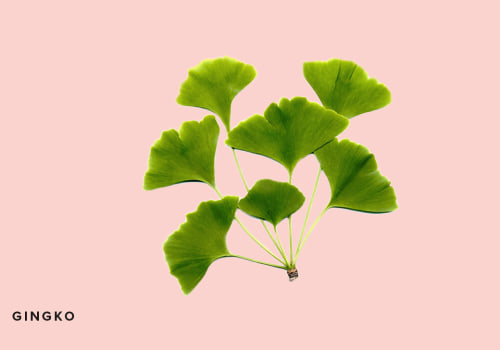
- Enhance Mental Clarity: Ginkgo biloba is often used to improve cognitive function and memory.
- Provide Antioxidant Protection: Many medicinal plants are rich in antioxidants, which help combat oxidative stress in the body.
The Science Behind Herbal Remedies
Understanding the science behind herbal remedies requires a closer look at the complex world of phytochemicals.These naturally occurring compounds are produced by plants and play a crucial role in their growth, development, and defense mechanisms. Phytochemicals are responsible for the color, flavor, and disease resistance of plants, and they also contribute significantly to the therapeutic properties of medicinal herbs. Phytochemicals can be broadly categorized into two groups: primary metabolites and secondary metabolites. Primary metabolites are essential for the basic functions of life, such as carbohydrates, proteins, and lipids. In contrast, secondary metabolites, which include flavonoids, alkaloids, terpenoids, and glycosides, are not directly involved in growth or reproduction but serve various ecological functions.
These compounds often exhibit biological activity that can benefit human health.
The Role of Phytochemicals in Herbal Medicine
Many herbal remedies derive their healing properties from these secondary metabolites. For instance, flavonoids are known for their antioxidant effects, which help combat oxidative stress in the body. This oxidative stress is linked to various chronic diseases, including heart disease and cancer. Similarly, alkaloids such as morphine and quinine have potent pharmacological effects that have been harnessed in modern medicine. Research has shown that these phytochemicals can interact with biological systems in several ways:- Modulation of Enzyme Activity: Some phytochemicals can enhance or inhibit the activity of enzymes involved in metabolic processes.
For example, curcumin from turmeric has been found to inhibit certain enzymes that promote inflammation.
- Antimicrobial Properties: Many herbal remedies contain compounds that exhibit antimicrobial activity against bacteria, viruses, and fungi. For instance, tea tree oil is renowned for its ability to combat skin infections due to its high terpene content.
- Immune System Support: Certain herbs like echinacea are believed to boost the immune system by increasing the production of white blood cells, which play a vital role in fighting infections.
Popular Herbal Remedies and Their Uses
Herbal remedies have gained immense popularity in recent years, as more people seek natural alternatives to conventional medicine.Among the myriad of options available, certain herbs stand out due to their proven health benefits and versatile uses. Below, we explore some of the most popular herbal remedies and their applications.
Turmeric
Turmeric, a vibrant yellow spice derived from the Curcuma longa plant, is renowned for its active compound, curcumin. This powerful antioxidant is celebrated for its anti-inflammatory properties, making it beneficial for conditions such as arthritis and joint pain. Additionally, turmeric is believed to support digestive health and may even play a role in cancer prevention.Incorporating turmeric into your diet can be as simple as adding it to curries, smoothies, or teas.
Ginger
Ginger has been used for centuries as a natural remedy for various ailments. Its active components, gingerol and shogaol, are known for their anti-inflammatory and antioxidant effects. Ginger is particularly effective in alleviating nausea, making it a popular choice for those suffering from motion sickness or morning sickness during pregnancy. Furthermore, ginger may aid digestion and reduce muscle pain after intense exercise.Echinacea
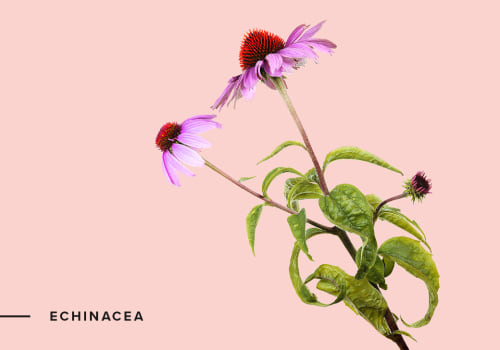
Echinacea is a flowering plant that has been utilized in traditional medicine to boost the immune system.Often taken as a tea or in supplement form, echinacea is believed to help shorten the duration of colds and flu symptoms. Some studies suggest that it may enhance the body’s ability to fight infections by increasing white blood cell production.
Aloe Vera
Aloe vera is well-known for its soothing properties, particularly when applied topically. The gel extracted from its leaves can provide relief from sunburns, minor cuts, and skin irritations. Additionally, aloe vera juice is consumed for its potential digestive benefits, including alleviating constipation and promoting gut health.Chamomile
Chamomile is often enjoyed as a calming herbal tea that can help promote relaxation and improve sleep quality.Its anti-inflammatory properties may also assist in soothing digestive issues such as bloating and indigestion. Chamomile can be particularly beneficial for those dealing with anxiety or stress-related conditions. Incorporating these herbal remedies into your daily routine can offer numerous health benefits while providing a natural approach to wellness. However, it’s essential to consult with a healthcare professional before starting any new herbal regimen, especially if you have existing health conditions or are taking medications.
Herbal Remedies in Traditional Medicine Systems
Herbal remedies have been integral to various traditional medicine systems around the world, each with its unique philosophies and practices. These systems not only utilize plants for their medicinal properties but also incorporate cultural beliefs and holistic approaches to health.Ayurveda
, one of the oldest healing systems originating from India, emphasizes balance in the body, mind, and spirit.
Central to Ayurveda is the use of herbal remedies tailored to an individual's constitution or dosha. Common herbs include:
- Turmeric - Known for its anti-inflammatory properties, turmeric is often used to treat various ailments, including arthritis and digestive issues.
- Ashwagandha - This adaptogenic herb helps the body manage stress and is believed to enhance vitality.
- Brahmi - Used to improve cognitive function and memory, Brahmi is a staple in Ayurvedic practices.
- Ginseng - Renowned for its energy-boosting properties, ginseng is often used to enhance overall health and stamina.
- Gingko Biloba - This herb is believed to improve circulation and cognitive function.
- Licorice Root - Frequently used as a harmonizer in herbal formulas, licorice root also has anti-inflammatory properties.
For instance:
- African Traditional Medicine : Various tribes utilize local plants like Devil's Claw for pain relief and Aloe Vera for skin conditions.
- Native American Healing : Indigenous tribes often use herbs such as Sage, Tobacco, and Cedar in spiritual rituals and healing practices.
- Siberian Shamanism : Herbal remedies play a crucial role in shamanic healing, with plants like Pine Needle being used for respiratory issues.
Safety and Efficacy of Herbal Remedies
When considering the use of herbal remedies, it is crucial to evaluate both their safety and efficacy. While many medicinal plants have been used for centuries, understanding their potential side effects and interactions with other medications is essential for safe usage.Safety of Herbal Remedies
Herbal remedies are often perceived as natural and, therefore, inherently safe. However, this assumption can be misleading.
Just because a product is derived from a plant does not guarantee that it is free from side effects or adverse reactions. For instance, some herbs can cause allergic reactions in sensitive individuals, while others may interact negatively with prescription medications.
It is important to consult with a healthcare professional before starting any herbal treatment, especially for individuals who are pregnant, nursing, or have pre-existing health conditions. Certain herbs, such as St. John's Wort, can interfere with the effectiveness of antidepressants and other medications.
Efficacy Studies
The efficacy of herbal remedies varies widely depending on the plant and the condition being treated.
While some herbs have been extensively studied and shown to provide therapeutic benefits, others lack sufficient scientific evidence to support their use. For example, gingko biloba has been researched for its potential to improve cognitive function in dementia patients, while the effectiveness of echinacea in treating colds remains debated among researchers.
Clinical studies often highlight the need for standardized dosages and formulations to ensure consistent results. As such, consumers should seek products that are backed by rigorous research and adhere to quality control standards.
Side Effects of Herbs
While many people tolerate herbal remedies well, some may experience side effects. Common side effects can include:
- Nausea
- Dizziness
- Headaches
- Gastrointestinal disturbances
- Skin rashes or allergic reactions
For instance, excessive consumption of kava kava, known for its calming effects, has been linked to liver damage. In conclusion, while herbal remedies can offer significant health benefits, it is vital to approach their use with caution. Understanding their safety profiles and consulting healthcare professionals can help mitigate risks and enhance the therapeutic potential of these natural treatments.
How to Incorporate Herbal Remedies into Your Life
Incorporating herbal remedies into your daily life can be a rewarding journey towards improved health and wellness. Here are some practical tips to help you seamlessly integrate these natural solutions into your routine.1.Start with Simple Additions
One of the easiest ways to begin using herbal remedies is by adding them to your meals. Consider the following:- Herbs in Cooking: Fresh herbs like basil, cilantro, and parsley can enhance the flavor of your dishes while providing health benefits.
Try adding chopped herbs to salads, soups, or pasta.
- Spices for Health: Incorporate spices such as turmeric and ginger into your cooking. These spices not only add flavor but also have anti-inflammatory properties.
- Herbal Teas: Replace sugary drinks with herbal teas. Chamomile, peppermint, and echinacea teas can be soothing and beneficial for digestion and immunity.
2.Create Herbal Infusions
Herbal infusions are a great way to extract the medicinal properties of herbs. To make an infusion:- Select dried herbs such as chamomile or hibiscus.
- Add one tablespoon of the dried herb to a cup of boiling water.
- Let it steep for 10-15 minutes, then strain and enjoy.
3.Use Herbal Supplements Wisely
If you prefer concentrated forms of herbal remedies, consider supplements like capsules or tinctures.However, it’s essential to:
- Consult a Healthcare Professional: Before starting any new supplement regimen, consult with a healthcare provider to ensure safety and efficacy.
- Follow Dosage Instructions: Adhere to recommended dosages on the product label to avoid potential side effects.
4.Grow Your Own Herbs
If you have space, consider growing your own herbs at home. Not only does this provide fresh ingredients for your meals, but it also allows you to connect with nature. Some easy-to-grow herbs include:- Basil
- Mint
- Thyme
- Rosemary
5.Educate Yourself on Herbal Properties
The more you know about the specific benefits of different herbs, the better you can tailor their use to your needs. Research various herbs and their traditional uses, and consider keeping a journal to track how they affect your health over time. By following these practical tips, you can effectively incorporate herbal remedies into your daily life, enhancing both your diet and overall well-being.FAQs About Herbal Remedies
Herbal remedies have gained popularity in recent years, but many people still have questions and misconceptions about their use.Below are some frequently asked questions that can help clarify these issues and provide a deeper understanding of medicinal plants.
What are herbal remedies?
Herbal remedies
are products made from plants that are used to treat various health conditions. These can include teas, tinctures, capsules, and extracts derived from different parts of the plant, such as leaves, roots, flowers, and seeds. They have been utilized in traditional medicine systems around the world for centuries.
Are herbal remedies safe?
While many herbal remedies are considered safe when used appropriately, it is essential to consult with a healthcare professional before starting any new treatment. Some herbs can interact with prescription medications or may not be suitable for individuals with certain health conditions.Always ensure you source your herbs from reputable suppliers to avoid contamination.
Can herbal remedies replace conventional medicine?
Herbal remedies can complement conventional medicine but should not be viewed as a complete replacement. They may help alleviate symptoms or enhance overall wellness, but serious health conditions often require medical intervention. It is crucial to discuss any herbal treatments with your doctor, especially if you are undergoing treatment for chronic illnesses.What are some common misconceptions about herbal remedies?
- All natural means safe: Just because a product is natural does not mean it is free from side effects or interactions. Always approach herbal remedies with caution.
- Herbs work instantly: Unlike pharmaceuticals that may provide quick relief, many herbal remedies require time to build up in the system and show effects.
- More is better: Higher doses of herbs do not necessarily lead to better results and can sometimes cause adverse effects.
Always follow recommended dosages.
How can I incorporate herbal remedies into my daily routine?
You can easily integrate herbal remedies into your lifestyle by:- Drinking herbal teas for relaxation or digestive support.
- Using essential oils for aromatherapy or topical applications.
- Adding herbs like turmeric or ginger to your meals for their health benefits.
Conclusion: Embracing the Healing Power of Nature
As we conclude our exploration of the healing power of medicinal plants, it becomes evident that these natural remedies have played a significant role in human health for centuries. From ancient civilizations to modern-day practices, the use of herbal remedies has been a cornerstone of healing traditions worldwide. The diverse range of plants discussed, including aloe, turmeric, ginkgo, and echinacea, highlights the vast potential these natural resources hold for enhancing our well-being. Throughout this article, we have delved into the specific benefits of various medicinal plants.For instance, turmeric's anti-inflammatory properties and its historical significance in Ayurvedic medicine showcase how traditional knowledge can inform contemporary health practices. Similarly, ginkgo's potential to support cognitive function illustrates the importance of ongoing research into these natural therapies. Moreover, the therapeutic applications of plants like echinacea and tea tree oil remind us that nature often provides solutions to common ailments. Whether it's boosting immunity during cold season or treating minor skin infections, herbal remedies offer accessible options for many individuals seeking alternatives to conventional medicine. However, it is crucial to approach the use of medicinal plants with informed caution. While many herbs have demonstrated efficacy through scientific studies, others require further investigation to fully understand their benefits and potential side effects.
Consulting with healthcare professionals knowledgeable in herbal medicine can help ensure safe and effective use. Incorporating herbal remedies into your health regimen can be a rewarding journey towards holistic wellness. By embracing the healing power of nature, you not only honor traditional practices but also empower yourself with knowledge about the natural world around you. As you consider integrating these remedies into your life, remember to prioritize quality and sustainability by sourcing herbs from reputable suppliers. In summary, the rich history and ongoing research surrounding medicinal plants affirm their value in promoting health and healing. As we continue to explore the intersection of nature and medicine, let us remain open to the possibilities that herbal remedies offer for enhancing our lives.