5 Medicinal Plants to Enhance Your Health: Exploring Herbal Remedies
Discover 5 powerful medicinal plants that can improve your health through herbal remedies. Learn how to incorporate them into your daily life.
Throughout history, herbal remedies have played a pivotal role in the health and wellness of various cultures around the globe. From ancient civilizations to modern-day practices, the use of medicinal plants has been a cornerstone of healing traditions. These natural solutions have been utilized not only for their therapeutic properties but also for their ability to enhance overall well-being. As we navigate through an era dominated by synthetic medications, the resurgence of interest in herbal remedies highlights their enduring significance and potential benefits. The wisdom of our ancestors regarding the healing properties of plants is now being validated by contemporary research.
Many medicinal plants contain bioactive compounds that can support health in numerous ways, from boosting immunity to alleviating chronic conditions. This growing body of evidence encourages individuals to explore the benefits of incorporating herbs into their daily routines, whether through teas, tinctures, or culinary applications. The versatility of these plants allows them to be integrated seamlessly into various aspects of life, making them accessible and practical for everyone. Moreover, the importance of herbal remedies extends beyond individual health; it encompasses a broader understanding of sustainability and environmental stewardship. By embracing natural healing methods, we not only honor traditional practices but also promote biodiversity and the conservation of plant species that are vital to our ecosystems.
As we delve deeper into the world of herbal medicine, we will uncover specific plants that have stood the test of time, each offering unique health benefits that can enhance our quality of life.
1.Turmeric: The Golden Spice of Health
Turmeric, often referred to as the golden spice, has been celebrated for centuries not only for its vibrant color but also for its remarkable health benefits. This ancient herb, derived from the root of the Curcuma longa plant, is a staple in traditional medicine systems, particularly in Ayurveda and Traditional Chinese Medicine. Its primary active compound, curcumin , is responsible for many of its medicinal properties. One of the most notable benefits of turmeric is its powerful anti-inflammatory properties. Chronic inflammation is linked to numerous health issues, including heart disease, cancer, and neurodegenerative disorders.Regular consumption of turmeric can help mitigate these risks by reducing inflammation at the cellular level. Additionally, turmeric is rich in antioxidants, which combat oxidative stress and protect the body from free radical damage. Beyond its anti-inflammatory and antioxidant effects, turmeric has been traditionally used to support digestive health. It aids in the production of bile, which is essential for fat digestion and nutrient absorption. Furthermore, turmeric can help alleviate symptoms of indigestion and bloating. Incorporating turmeric into your daily routine can be both simple and delicious.
Here are some practical ways to use this versatile spice:
- Golden Milk: Combine turmeric powder with warm milk (dairy or plant-based), a pinch of black pepper (to enhance curcumin absorption), and a sweetener of your choice for a soothing drink.
- Turmeric Tea: Brew fresh ginger and turmeric in hot water, adding honey or lemon for flavor. This tea can be a comforting remedy for colds and sore throats.
- Culinary Uses: Add turmeric to soups, stews, curries, or rice dishes to enhance flavor and color. It pairs well with other spices like cumin and coriander.
- Smoothies: Blend a teaspoon of turmeric into your favorite smoothie for an extra health boost without altering the taste significantly.
2.Ginger: A Root with Healing Powers
Ginger, scientifically known as Zingiber officinale, is a versatile root that has been celebrated for its remarkable health benefits and culinary uses for centuries.This powerful herb is not only a staple in kitchens around the world but also a revered component of traditional medicine, particularly in Ayurveda and Traditional Chinese Medicine. One of the most notable ginger health benefits is its ability to aid digestion. Ginger stimulates the production of digestive enzymes, which can help alleviate issues such as bloating, gas, and indigestion. Its natural compounds, including gingerol and shogaol, have been shown to enhance gastrointestinal motility, making it easier for food to pass through the digestive tract. In addition to its digestive properties, ginger is widely recognized for its anti-nausea effects. It has been used effectively to combat motion sickness, morning sickness during pregnancy, and nausea induced by chemotherapy.
Studies suggest that consuming ginger can significantly reduce the severity of nausea and vomiting, making it a safe and natural alternative to over-the-counter medications. Beyond its medicinal uses, ginger is incredibly versatile in the kitchen. Here are some popular ginger recipes that not only highlight its flavor but also enhance its health benefits:
- Ginger Tea: A simple infusion made by steeping fresh ginger slices in hot water. This soothing drink can be enjoyed plain or with honey and lemon for added flavor and health benefits.
- Ginger Stir-Fry: Incorporate grated ginger into your favorite stir-fry dishes. It pairs well with vegetables and proteins, adding a zesty kick while promoting digestion.
- Ginger Smoothies: Blend fresh ginger with fruits like bananas or mangoes for a refreshing smoothie that boosts your immune system and aids digestion.
- Pickled Ginger: Often served with sushi, pickled ginger not only enhances flavor but also provides digestive support.
Whether consumed as a tea, added to meals, or taken as a supplement, this root continues to be a powerful ally in promoting overall wellness.
3.Basil: The Aromatic Herb for Wellness
Basil, often referred to as the "king of herbs," is not only a popular culinary ingredient but also a powerhouse of health benefits. This aromatic herb, belonging to the mint family, is rich in essential oils and nutrients that contribute to its medicinal properties.Health Benefits of Basil
- Anti-inflammatory Properties: Basil contains compounds like eugenol, which have been shown to reduce inflammation in the body. This makes it beneficial for conditions such as arthritis and other inflammatory diseases.
- Antibacterial Effects: The essential oils in basil possess strong antibacterial properties, helping to combat harmful bacteria. This can be particularly useful in preventing infections and promoting overall health.
- Digestive Aid: Basil is known to support digestive health by alleviating bloating and gas.
It can stimulate appetite and improve digestion, making it a great addition to meals.
- Stress Relief: The aroma of basil has calming effects that can help reduce stress and anxiety. Incorporating basil into your diet or using it in aromatherapy can promote relaxation.
- Rich in Antioxidants: Basil is packed with antioxidants that help protect the body from oxidative stress and free radical damage, contributing to overall wellness.
Medicinal Uses of Basil
Basil can be used in various forms for its medicinal benefits. Fresh basil leaves can be added to salads, soups, and sauces for flavor and health benefits. Additionally, basil tea can be brewed by steeping fresh or dried leaves in hot water, providing a soothing drink that aids digestion and reduces stress.
How to Grow Basil
Growing basil at home is relatively easy and rewarding.
Here are some tips to cultivate this beneficial herb:
- Choose the Right Location: Basil thrives in warm weather and requires plenty of sunlight. Select a spot that receives at least 6-8 hours of direct sunlight daily.
- Soil Preparation: Use well-draining soil enriched with organic matter. A pH level between 6.0 and 7.0 is ideal for basil growth.
- Sowing Seeds: You can start basil from seeds indoors or directly in your garden after the last frost. Plant seeds about 1/4 inch deep and keep the soil moist until they germinate.
- Watering: Water basil regularly but avoid overwatering.
The soil should be kept moist but not soggy.
- Harvesting: Once the plants are about 6 inches tall, you can start harvesting leaves. Regular pruning encourages bushier growth and prevents flowering, which can alter the flavor of the leaves.
4.Mint: A Refreshing Herb for Digestion and More
Mint, a versatile and aromatic herb, is not only a delightful addition to various dishes but also boasts numerous health benefits. Known for its refreshing flavor and cooling properties, mint has been utilized in traditional medicine for centuries.Its medicinal properties make it a valuable herbal remedy for digestive issues and more.
Health Benefits of Mint
- Digestive Aid: Mint is renowned for its ability to soothe the digestive system. It can help alleviate symptoms of indigestion, bloating, and gas. The menthol in mint relaxes the muscles of the gastrointestinal tract, promoting smoother digestion.
- Cooling Effect: The cooling sensation provided by mint can be particularly beneficial during hot weather. It helps lower body temperature and can provide relief from heat-related ailments.
- Respiratory Relief: Mint's strong aroma can help clear nasal passages and ease breathing difficulties.
It is often used in teas or inhaled as steam to relieve congestion associated with colds or allergies.
- Antioxidant Properties: Rich in antioxidants, mint helps combat oxidative stress in the body, which can contribute to chronic diseases. Regular consumption may support overall health and well-being.
Incorporating Mint into Your Diet
Adding mint to your meals and beverages is simple and rewarding. Here are some creative ways to enjoy this herb:
- Mojito Mocktail: Combine fresh mint leaves with lime juice, soda water, and a touch of honey for a refreshing non-alcoholic drink.
- Mint Tea: Brew fresh mint leaves in hot water for a soothing herbal tea that aids digestion and refreshes the palate.
- Mint Chutney: Blend fresh mint with cilantro, green chilies, lemon juice, and spices to create a vibrant chutney that pairs well with snacks or grilled meats.
- Add to Salads: Toss chopped mint leaves into salads for an unexpected burst of flavor. It complements fruits like watermelon or citrus beautifully.
By incorporating mint into your daily diet, you can enhance your meals while reaping its medicinal properties. Whether enjoyed in beverages or as part of savory dishes, this refreshing herb is sure to elevate your culinary experience.
5.Cinnamon: The Sweet Spice with Health Benefits
Cinnamon, often referred to as the "sweet spice," is not only a popular flavoring agent but also a powerful herbal remedy with numerous health benefits. This aromatic spice has been used for centuries in traditional medicine, and modern research continues to uncover its impressive medicinal properties. One of the most notable health benefits of cinnamon is its ability to help regulate blood sugar levels. Studies have shown that cinnamon can improve insulin sensitivity, making it easier for the body to utilize glucose effectively.This is particularly beneficial for individuals with type 2 diabetes or those at risk of developing the condition. By incorporating cinnamon into your diet, you may help stabilize your blood sugar levels and reduce the risk of insulin resistance. In addition to its blood sugar-regulating properties, cinnamon is rich in antioxidants, which play a crucial role in protecting the body from oxidative stress and inflammation. The primary active compound in cinnamon, cinnamaldehyde , has been found to possess strong antioxidant effects. These antioxidants can help combat free radicals, potentially lowering the risk of chronic diseases such as heart disease and cancer. To reap the maximum health benefits from cinnamon, consider incorporating it into your daily cooking and baking routines.
Here are some delicious ways to use this versatile spice:
- Cinnamon in Beverages: Add a sprinkle of cinnamon to your morning coffee or tea for an aromatic twist. You can also blend it into smoothies for added flavor and health benefits.
- Baking with Cinnamon: Use cinnamon in baked goods like muffins, pancakes, or oatmeal cookies. Not only does it enhance the flavor, but it also boosts the nutritional profile of your treats.
- Savory Dishes: Incorporate cinnamon into savory dishes such as stews or curries. Its warm flavor complements meats and vegetables beautifully.
- Cinnamon Sprinkled on Fruits: Sprinkle ground cinnamon over fresh fruits like apples or bananas for a healthy snack that satisfies your sweet tooth.
Ceylon cinnamon, often referred to as "true cinnamon," is considered superior due to its lower coumarin content compared to Cassia cinnamon, which is more commonly found in grocery stores. Coumarin can be harmful in large amounts, so opting for Ceylon cinnamon can provide peace of mind while enjoying its health benefits. In conclusion, incorporating cinnamon into your diet not only enhances the flavor of your meals but also offers significant health benefits. From regulating blood sugar levels to providing antioxidant support, this sweet spice is a valuable addition to any herbal remedy arsenal.
How to Incorporate Herbal Remedies into Your Daily Life
Incorporating herbal remedies into your daily life can be a rewarding journey towards better health. Here are some practical tips to seamlessly integrate these medicinal plants into your routine:1.Start with Simple Infusions
One of the easiest ways to enjoy the benefits of herbal remedies is through teas.Begin by selecting herbs like chamomile , mint , or ginger. To make a simple herbal tea:
- Boil water and let it cool slightly.
- Add 1-2 teaspoons of dried herbs or a handful of fresh herbs to a teapot.
- Pour the hot water over the herbs and steep for 5-10 minutes.
- Strain and enjoy your tea, adding honey or lemon for flavor if desired.
2.Enhance Your Meals
Another effective way to incorporate herbal remedies is by adding them to your meals. Fresh herbs like basil , parsley , and dill can elevate the flavor of dishes while providing health benefits:- Add chopped basil to pasta sauces or salads for a fresh taste and anti-inflammatory properties.
- Use mint in yogurt or smoothies for digestive support.
- Sprinkle parsley on soups and stews for added nutrients.
3.Create Herbal Supplements
If you prefer a more concentrated form, consider making herbal tinctures or extracts. These can be made by soaking herbs in alcohol or vinegar for several weeks, allowing the beneficial compounds to infuse into the liquid.Always consult with a healthcare professional before starting any new supplement regimen.
4.Use in Skincare
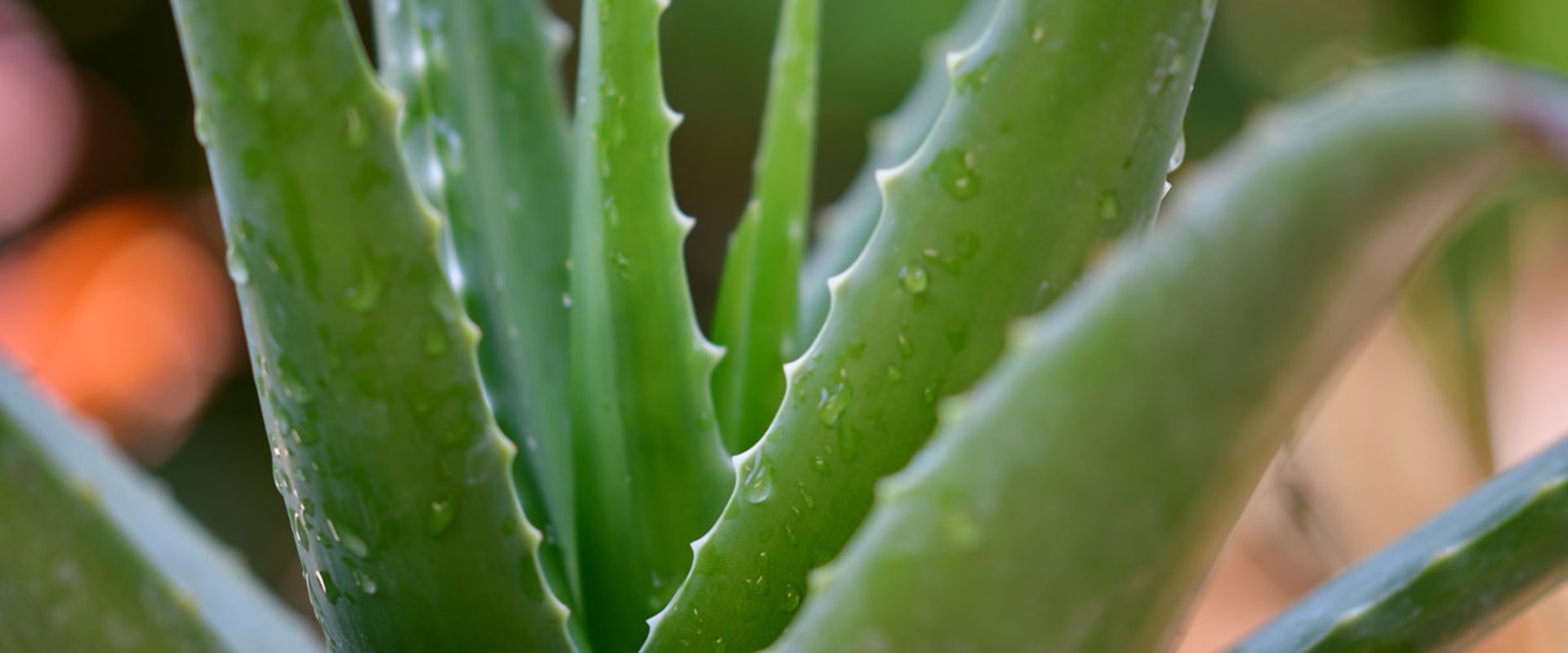
Certain herbs like aloe vera and calendula can be used topically for their healing properties. You can:- Create a soothing aloe vera gel for sunburns or skin irritations.
- Add dried calendula flowers to homemade lotions for their anti-inflammatory effects.
5.Stay Informed and Experiment
The world of herbal remedies is vast, so take time to research different plants and their uses. Experiment with various combinations to find what works best for you. Keep a journal to track your experiences and any health improvements you notice. By integrating these practices into your daily life, you can harness the power of herbal remedies, enhancing your overall well-being naturally and deliciously.FAQs About Herbal Remedies and Medicinal Plants
As interest in herbal remedies continues to grow, many individuals have questions about their safety, efficacy, and proper usage.Below are some frequently asked questions that can help clarify common concerns.
What are herbal remedies?
Herbal remedies are products derived from plants that are used for medicinal purposes. These can include leaves, roots, flowers, and seeds, which may be consumed in various forms such as teas, capsules, tinctures, or topical applications. Many cultures have utilized these natural substances for centuries to promote health and treat ailments.Are herbal remedies safe?
While many herbal remedies are considered safe when used appropriately, it is essential to approach them with caution. Some herbs can interact with prescription medications or cause side effects.It is advisable to consult with a healthcare professional before starting any new herbal treatment, especially for individuals who are pregnant, nursing, or have pre-existing health conditions.
How effective are herbal remedies?
The effectiveness of herbal remedies can vary widely depending on the specific plant and the condition being treated. Some herbs have been extensively studied and shown to provide significant health benefits, while others may lack scientific backing. For instance, turmeric is well-known for its anti-inflammatory properties, while ginger is often used to alleviate nausea. However, individual responses can differ.Can I use herbal remedies alongside conventional medicine?
In many cases, herbal remedies can complement conventional treatments; however, it is crucial to inform your healthcare provider about any herbal products you are using.This transparency helps prevent potential interactions and ensures a coordinated approach to your health care.
How should I store herbal remedies?
Proper storage of herbal remedies is vital to maintain their potency. Most dried herbs should be kept in a cool, dark place in airtight containers to protect them from moisture and light. Fresh herbs should be stored in the refrigerator and used promptly for maximum benefit. In summary, while herbal remedies offer a natural alternative for health improvement, understanding their safety and efficacy is crucial. Always seek guidance from qualified professionals to ensure safe usage.Conclusion: Embracing the Power of Nature for Better Health
As we conclude our exploration of herbal remedies and their profound impact on health, it becomes increasingly clear that nature offers a wealth of resources for enhancing our well-being.The medicinal plants discussed throughout this article—such as turmeric, ginger, and aloe vera—are not just ingredients in our kitchens; they are powerful allies in our quest for better health. These plants have been utilized for centuries across various cultures, demonstrating their effectiveness in treating a myriad of ailments. From boosting the immune system to aiding digestion and alleviating stress, the benefits of incorporating these natural remedies into our daily lives are both extensive and compelling. Moreover, the resurgence of interest in herbal remedies reflects a broader shift towards holistic health practices. Many individuals are seeking alternatives to conventional medicine, often turning to nature for solutions that align with their values and lifestyles. This trend is not merely a passing phase; it signifies a deeper understanding of the interconnectedness between our bodies and the natural world. Incorporating these medicinal plants into your routine can be as simple as adding fresh herbs to your meals or brewing a soothing tea.
For those interested in a more hands-on approach, growing your own medicinal garden can be both rewarding and educational. Not only does this provide easy access to fresh herbs, but it also fosters a deeper connection with the plants that support our health. As you consider the potential of herbal remedies, remember that while these natural solutions can offer significant benefits, they should complement—not replace—professional medical advice. Always consult with healthcare providers before making significant changes to your health regimen. In summary, embracing the power of nature through herbal remedies can lead to improved health outcomes and a more balanced lifestyle. By integrating these time-honored plants into our daily practices, we can harness their healing properties and cultivate a healthier future for ourselves and our families.