The Benefits of Herbal Medicine: A Comprehensive Guide to Herbal Remedies
Explore the numerous benefits of herbal medicine and remedies for health and wellness. Discover natural alternatives to conventional treatments.
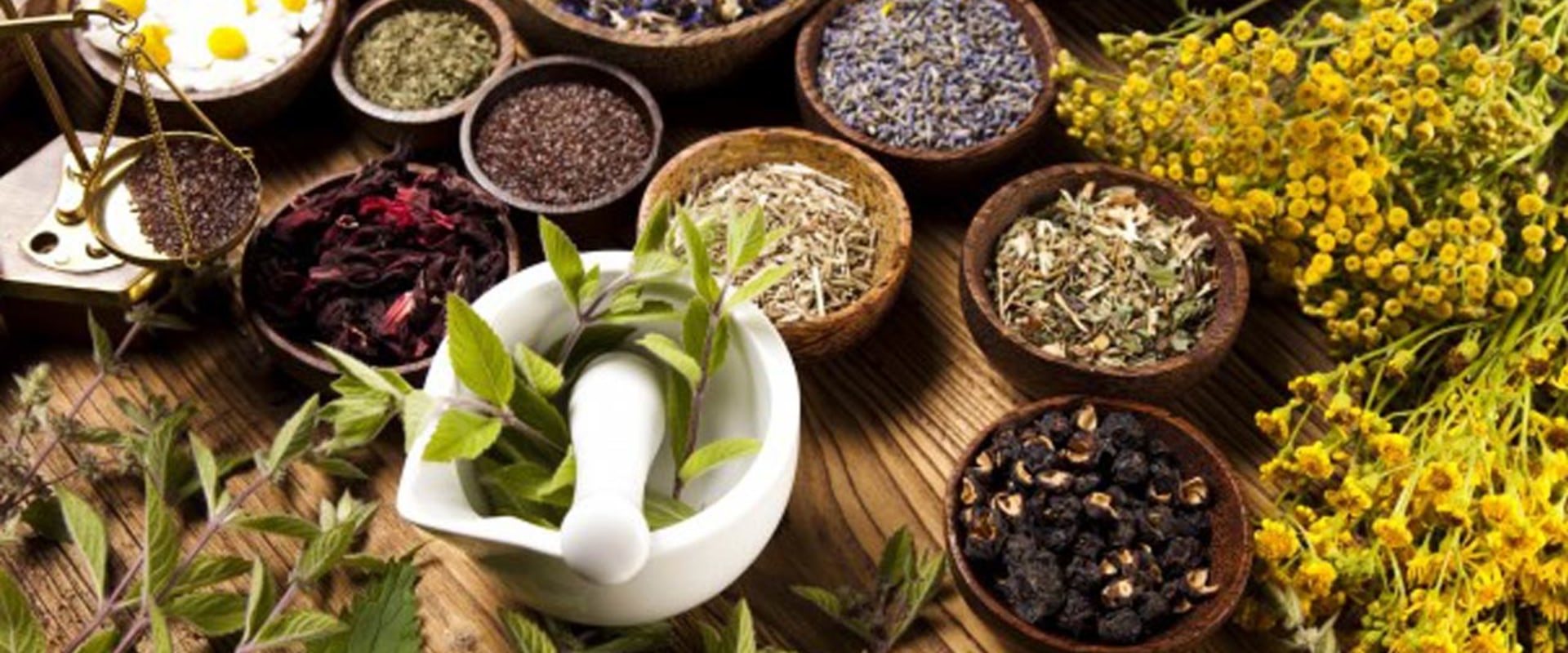
Herbal medicine, often referred to as herbalism, is a time-honored practice that utilizes the natural properties of plants to promote health and well-being. This ancient form of healing has roots that stretch back thousands of years, with evidence of its use found in various cultures around the globe. From the traditional Chinese medicine system to the Ayurvedic practices of India, herbal remedies have played a crucial role in shaping health care practices throughout history. Today, as people increasingly seek natural alternatives to pharmaceutical drugs, the relevance of herbal medicine is experiencing a significant resurgence. The benefits of herbal remedies are manifold, encompassing a wide range of therapeutic applications.
Many individuals turn to these natural solutions for their ability to address chronic conditions, enhance overall wellness, and support the body’s innate healing processes. Unlike conventional medications that often come with a host of side effects, many herbal treatments are celebrated for their gentler approach and lower risk profiles. This makes them particularly appealing for those looking to manage long-term health issues or improve their quality of life without the complications associated with synthetic drugs. Historically, herbal medicine has been intertwined with cultural practices and beliefs, often passed down through generations. Ancient texts from civilizations such as Egypt, Greece, and China document the use of various plants for medicinal purposes, highlighting their significance in early health care systems.
As modern science continues to explore the efficacy of these natural treatments, researchers are uncovering the biochemical mechanisms behind many herbal remedies, validating their historical use and paving the way for their integration into contemporary medical practices. In this comprehensive guide on the benefits of herbal medicine, we will delve deeper into specific herbal remedies, their applications in modern health care, and how they can complement traditional medical approaches. By understanding the foundations and historical context of herbal medicine, readers can better appreciate its potential role in achieving optimal health and wellness.
The Science Behind Herbal Remedies
Understanding the science behind herbal remedies is crucial for appreciating their potential benefits and applications in modern healthcare. At the core of herbal medicine lies phytochemistry , the study of the chemical compounds produced by plants. These compounds, known as phytochemicals , are responsible for the therapeutic effects attributed to various herbs.They can be classified into several categories, including alkaloids, flavonoids, terpenoids, and glycosides, each exhibiting unique biological activities. For instance, alkaloids such as morphine from the opium poppy have potent analgesic properties, while flavonoids, found in plants like ginkgo biloba, are known for their antioxidant effects. The interaction of these compounds with biological systems is a key area of research that helps explain how herbal remedies can influence health. Recent scientific studies have begun to validate the efficacy of various herbal treatments. For example, a systematic review published in the journal Phytotherapy Research examined the effects of St. John's Wort on depression and found that it was as effective as standard antidepressants for mild to moderate depression.
Similarly, research on turmeric has highlighted its active compound, curcumin, which exhibits anti-inflammatory and antioxidant properties, making it a promising candidate for managing conditions like arthritis. The pharmacological mechanisms through which these herbal remedies operate are also being elucidated. Many herbs work by modulating biochemical pathways in the body. For instance, garlic has been shown to lower blood pressure and cholesterol levels by enhancing nitric oxide production and inhibiting cholesterol synthesis. Moreover, clinical trials are increasingly incorporating herbal remedies into their protocols to assess their safety and effectiveness alongside conventional treatments. This integration is essential for establishing a comprehensive understanding of how these natural products can complement modern medicine. In conclusion, the growing body of scientific evidence supporting the use of herbal remedies underscores their potential role in health promotion and disease management.
As research continues to evolve, it is vital for consumers to remain informed about the benefits and limitations of these natural treatments.
Common Herbal Remedies and Their Uses
Herbal remedies have been utilized for centuries across various cultures, offering a natural approach to health and wellness. Below is a detailed overview of some of the most popular herbal remedies, their specific uses, and the health conditions they can address.- Chamomile : Known for its calming effects, chamomile is often used to alleviate anxiety and promote sleep. It can also aid in digestion and reduce inflammation.
- Ginger : This versatile root is renowned for its ability to combat nausea, particularly in pregnancy or after surgery. Additionally, ginger has anti-inflammatory properties that can help with joint pain and muscle soreness.
- Echinacea : Frequently used to boost the immune system, echinacea is popular during cold and flu season.
Some studies suggest it may reduce the duration and severity of respiratory infections.
- Turmeric : Containing the active compound curcumin, turmeric is celebrated for its anti-inflammatory and antioxidant properties. It is often recommended for conditions like arthritis and digestive disorders.
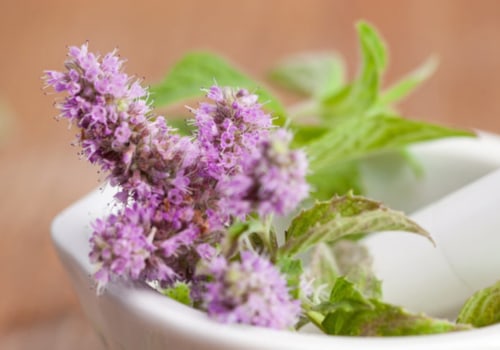
- Peppermint : This herb is commonly used to relieve digestive issues such as bloating and gas. Peppermint oil can also be applied topically to alleviate headaches and muscle pain.
- Lavender : Known for its soothing aroma, lavender is often used in aromatherapy to reduce stress and anxiety. It may also help improve sleep quality when used in essential oil form.
- Milk Thistle : This herb is primarily known for its liver-protective properties.
It is often recommended for individuals with liver conditions or those looking to detoxify their bodies.
- St. John’s Wort : Commonly used as a natural antidepressant, St. John’s Wort may help alleviate mild to moderate depression. However, it can interact with various medications, so consultation with a healthcare provider is essential.
Understanding the specific benefits and potential side effects of each herb can help you make informed decisions about your health.
Benefits of Using Herbal Medicine
Herbal medicine offers a multitude of benefits that make it an appealing choice for those seeking natural healing options. One of the primary advantages of using herbal remedies is their holistic approach to health. Unlike conventional pharmaceuticals, which often target specific symptoms, herbal treatments consider the entire person—body, mind, and spirit. This comprehensive perspective allows for a more balanced and integrated approach to wellness. Another significant benefit of herbal medicine is the reduced risk of side effects.Many pharmaceutical drugs come with a long list of potential adverse reactions, which can sometimes be as debilitating as the conditions they aim to treat. In contrast, herbal remedies are generally well-tolerated by most individuals. While it is essential to consult with a healthcare provider before starting any new treatment, many herbs have been used safely for centuries with minimal side effects. Moreover, herbal medicine plays a crucial role in preventive care. Many herbs possess properties that can help strengthen the immune system, improve digestion, and promote overall vitality.
For instance:
- Echinacea : Known for its immune-boosting properties, it can help ward off colds and infections.
- Ginger : Often used to aid digestion and reduce inflammation, ginger can also help prevent nausea.
- Tumeric : With its anti-inflammatory and antioxidant properties, turmeric supports overall health and may help prevent chronic diseases.
From its holistic approach and fewer side effects to its role in preventive care and promotion of self-empowerment, herbal remedies offer valuable alternatives for those seeking to enhance their well-being naturally.
Safety and Considerations When Using Herbal Remedies
When considering the use of herbal remedies, it is crucial to prioritize safety and be aware of potential risks associated with their use. While many people turn to herbal medicine for its natural approach to health, it is essential to understand that these remedies are not without their own set of challenges.Potential Side Effects of Herbal Remedies
- Herbal remedies can cause side effects, just like conventional medications. Common side effects may include gastrointestinal disturbances, allergic reactions, and interactions with other medications.
- Some herbs may have potent effects on the body, leading to symptoms such as dizziness, headaches, or nausea. For instance, St.
John’s Wort
, often used for depression, can cause photosensitivity and interact with various prescription drugs. - It is important to note that the effects of herbal remedies can vary significantly from person to person due to individual health conditions, genetics, and other factors.
Interactions with Conventional Medications
One of the most critical considerations when using herbal remedies is their potential interaction with conventional medications. Some herbs can enhance or inhibit the effects of prescription drugs, leading to unintended consequences:
- Ginkgo biloba, for example, is known for its blood-thinning properties and can increase the risk of bleeding when taken with anticoagulants.
- Garlic, while beneficial for heart health, may also interact with blood pressure medications and anticoagulants.
- Always inform your healthcare provider about any herbal supplements you are taking to avoid harmful interactions.
Consulting Healthcare Professionals
Before starting any herbal remedy, it is advisable to consult a qualified healthcare professional. This step is particularly important for individuals with pre-existing health conditions or those who are pregnant or breastfeeding:
- A healthcare provider can help assess the safety and appropriateness of specific herbs based on your health history.
- They can also provide guidance on proper dosages and potential side effects to watch for.
- In some cases, a healthcare professional may recommend alternative treatments that are safer or more effective for your condition.
Integrating Herbal Remedies into Your Health Routine
Integrating herbal remedies into your daily health routine can be a rewarding experience, enhancing your overall well-being while providing natural alternatives to conventional treatments.However, it is essential to approach this integration thoughtfully and safely.
How to Use Herbal Remedies
- Choose the Right Herbs: Start by identifying the specific health issues you want to address. Research herbs that are known for their efficacy in treating those conditions. For example, ginger is often used for digestive issues, while chamomile can help with sleep disturbances.
- Preparation Methods: Herbal remedies can be consumed in various forms, including teas, tinctures, capsules, and powders. For instance, brewing a tea from dried herbs is a simple and effective way to enjoy their benefits.
To make a herbal tea, steep 1-2 teaspoons of dried herbs in hot water for 5-10 minutes.
- Dosage Recommendations: It’s crucial to adhere to recommended dosages. While some herbs may be safe in larger quantities, others can be harmful if overused. Always refer to guidelines provided by herbalists or healthcare professionals.
Incorporating Herbs into Daily Life
- Add Herbs to Meals: Incorporate fresh or dried herbs into your cooking. Basil, oregano, and thyme not only enhance flavor but also provide health benefits.
- Create Herbal Infusions: Infuse oils or vinegars with herbs for use in dressings or marinades.
This method extracts the beneficial properties of the herbs while adding unique flavors to your dishes.
- Use Aromatherapy: Essential oils derived from herbs can be used in diffusers or added to baths for relaxation and stress relief. Lavender and eucalyptus are popular choices for their calming effects.
Tips for Using Herbal Medicine Safely
- Consult a Professional: Before starting any herbal regimen, consult with a healthcare provider or a qualified herbalist, especially if you are pregnant, nursing, or taking other medications.
- Be Aware of Interactions: Some herbs can interact with prescription medications. For example, St. John’s Wort may reduce the effectiveness of certain antidepressants.
Always disclose your use of herbal remedies to your doctor.
- Monitor Your Body’s Response: Pay attention to how your body reacts when you start using herbal remedies. If you experience any adverse effects, discontinue use and consult a healthcare professional.
Herbal Medicine Around the World: Cultural Perspectives
Herbal medicine is a practice that transcends borders, deeply embedded in the cultural fabric of societies around the globe. Each culture has its unique approach to utilizing herbal remedies, shaped by historical, geographical, and social factors. This section delves into the diverse ways in which different cultures employ herbal medicine and the significance it holds in their traditional healing practices.Asia: A Rich Tapestry of Tradition
In Asia, particularly in countries like China and India, herbal medicine is not just a form of treatment but a holistic approach to health.
Traditional Chinese Medicine (TCM) emphasizes the balance of yin and yang, using herbs to restore harmony within the body. Common herbs such as ginseng and ginger are staples in TCM, believed to enhance vitality and support digestion.
Similarly, Ayurveda, the ancient Indian system of medicine, utilizes a vast array of herbs tailored to individual constitutions or doshas. Herbs like turmeric and ashwagandha are revered for their anti-inflammatory and adaptogenic properties, respectively. These practices highlight the cultural significance of herbs as integral components of health and wellness.
Africa: Healing Through Nature
African traditional medicine is rich with knowledge passed down through generations.
Many communities rely on local plants for healing purposes, often using them in rituals that connect physical health with spiritual well-being. For instance, the use of African potato (Hypoxis hemerocallidea) is common for its purported immune-boosting properties. The cultural significance of these practices is profound, as they often involve community participation and respect for ancestral wisdom.
The Americas: Indigenous Wisdom
In North America, indigenous tribes have long utilized herbal medicine as part of their cultural identity. Plants like echinacea and sage are not only used for their medicinal properties but also play a role in spiritual ceremonies.
The connection between nature and healing is emphasized through practices that honor the land and its resources.
In South America, traditional healers known as shamans use a variety of plants in their healing rituals. The Amazon rainforest is home to countless medicinal plants, many of which are still being studied for their potential benefits. The cultural significance of these practices lies in their holistic approach, addressing both physical ailments and emotional or spiritual needs.
Europe: A Blend of Tradition and Modernity
European herbal medicine has roots in ancient practices but has evolved significantly over time. Countries like Germany have a strong tradition of using herbal remedies, with many modern pharmaceuticals derived from plants.
The cultural significance here is evident in the growing interest in natural remedies among the population, reflecting a desire to return to nature for health solutions. In conclusion, the global use of herbal remedies showcases a rich diversity in traditional healing practices. Each culture brings its unique perspective on health and wellness through herbs, emphasizing their importance not only as medicinal agents but also as symbols of cultural heritage and identity.
Future Trends in Herbal Medicine Research
The landscape of herbal medicine is evolving rapidly, driven by advancements in technology and a growing interest in natural healing methods. As researchers delve deeper into the properties of herbal remedies, several key trends are emerging that promise to enhance our understanding and application of these natural treatments.1.Integration of Modern Technology
One of the most significant trends in herbal medicine research is the integration of modern technology. Techniques such as high-throughput screening and genomic analysis are being employed to identify active compounds in herbs more efficiently.
This allows for a more systematic approach to discovering new therapeutic agents from plants, which can lead to the development of innovative treatments.
2.Standardization and Quality Control
As the demand for herbal products increases, so does the need for standardization and quality control. Researchers are focusing on establishing protocols that ensure the consistency and safety of herbal remedies. This includes identifying optimal extraction methods and determining the appropriate dosages for various conditions, which is crucial for both efficacy and safety.
3.Clinical Trials and Evidence-Based Research
There is a growing emphasis on conducting rigorous clinical trials to validate the efficacy of herbal medicines. This shift towards evidence-based research is essential for gaining acceptance within the broader medical community.
By providing scientific backing for traditional practices, researchers aim to bridge the gap between conventional medicine and herbal therapies.
4.Personalized Herbal Medicine
The future of herbal medicine may also lie in personalized approaches tailored to individual patient needs. Advances in pharmacogenomics—the study of how genes affect a person's response to drugs—could lead to customized herbal treatments that consider a patient's genetic makeup, lifestyle, and specific health conditions.
5.Global Collaboration
Finally, international collaboration among researchers, healthcare providers, and regulatory bodies is becoming increasingly important. Sharing knowledge and resources can accelerate the discovery of new herbal remedies and promote best practices in their use. This collaborative spirit is essential for addressing global health challenges through natural healing methods.
In conclusion, the future of herbal medicine research is bright, with numerous innovations on the horizon.
As we continue to explore the potential of herbal remedies, these trends will play a crucial role in shaping effective, safe, and scientifically validated natural treatments for various health conditions.
Frequently Asked Questions About Herbal Remedies
As interest in herbal remedies continues to grow, many individuals have questions about their safety, efficacy, and proper usage. Below are some of the most frequently asked questions regarding herbal medicine, along with clear answers to help you navigate this complex field.What are herbal remedies?
Herbal remedies are products derived from plants that are used for medicinal purposes. They can come in various forms, including teas, capsules, tinctures, and extracts. These remedies utilize the natural properties of plants to promote health and treat ailments.Are herbal remedies safe?
While many herbal remedies are considered safe when used appropriately, they can also pose risks.Some herbs may interact with prescription medications or have side effects. It is crucial to consult with a healthcare professional before starting any herbal treatment, especially if you have underlying health conditions or are pregnant.
How do I choose the right herbal remedy?
Selecting the right herbal remedy involves understanding your specific health needs and researching the herbs that may address those needs. Consider factors such as:- Your health condition: Identify the ailment you wish to treat.
- Herb properties: Research the benefits and potential side effects of the herb.
- Quality: Choose products from reputable manufacturers that provide third-party testing results.
Are all herbal remedies effective?
The effectiveness of herbal remedies can vary widely based on several factors, including the quality of the product, dosage, and individual response. While some herbs have been scientifically validated for their therapeutic effects, others may lack sufficient evidence.Always look for research-backed information when considering an herbal remedy.
What are common misconceptions about herbal medicine?
- Herbs are always safe: This is not true; some herbs can be toxic or cause adverse reactions.
- Natural means better: Just because something is natural does not mean it is safe or effective.
- Herbs can replace conventional medicine: While they can complement treatment, they should not replace prescribed medications without professional guidance.
Conclusion: Embracing Herbal Medicine for Better Health
In conclusion, the journey through the world of herbal remedies reveals a rich tapestry of benefits that can significantly enhance our health and well-being. As we have explored, herbal medicine is not merely a relic of the past; it is a vibrant and evolving field that offers a plethora of options for those seeking natural alternatives to conventional treatments. One of the most compelling aspects of herbal medicine is its holistic approach. Unlike many pharmaceutical solutions that often target specific symptoms, herbal remedies work to restore balance within the body.This holistic perspective encourages individuals to consider their overall health, lifestyle, and emotional well-being, fostering a more comprehensive understanding of what it means to be healthy. Moreover, the growing body of scientific research supporting the efficacy of various herbs underscores their potential as valuable therapeutic agents. From promoting liver health to alleviating chronic pain, the versatility of herbal medicine is evident. As more studies validate traditional uses and uncover new applications, the integration of these remedies into modern healthcare practices becomes increasingly justified. However, it is crucial to approach herbal medicine with caution and respect. Not all herbal products are created equal; quality can vary significantly between brands and sources.
Therefore, consulting with healthcare professionals who are knowledgeable about both conventional and herbal treatments is essential. This ensures that individuals can make informed decisions tailored to their unique health needs. As we embrace the potential of herbal remedies, we also acknowledge the importance of combining them with other aspects of health management. A balanced diet, regular exercise, and mental wellness practices should complement any herbal regimen. By adopting a multifaceted approach to health that includes herbal medicine , individuals can empower themselves to take charge of their well-being. In summary, incorporating herbal remedies into our lives offers a pathway to improved health that honors both tradition and innovation.
As we continue to explore this fascinating field, let us remain open-minded and proactive in our pursuit of holistic wellness.