The Comprehensive Benefits of Herbal Medicine: Exploring Herbal Remedies
Explore the numerous benefits of herbal medicine and remedies for holistic health and wellness. Discover natural alternatives to conventional treatments.

In recent years, the realm of herbal medicine has witnessed a remarkable resurgence, captivating the interest of individuals seeking natural alternatives to conventional healthcare. This growing trend is not merely a passing fad; it reflects a profound shift in how people perceive health and wellness. As more individuals become disenchanted with the side effects and costs associated with pharmaceutical drugs, they are turning to herbal remedies as a viable option for maintaining their health and treating various ailments. At its core, herbal medicine involves the use of plants and plant extracts to promote healing and restore balance within the body. This ancient practice, rooted in traditions that span cultures and centuries, emphasizes the belief that nature provides us with the tools necessary for our well-being.
From soothing teas brewed from chamomile to potent tinctures derived from echinacea, the diversity of herbal remedies is vast, offering something for nearly every health concern. The benefits of herbal medicine extend beyond mere physical healing. Many practitioners and users report enhanced emotional and mental well-being as they incorporate these natural solutions into their daily lives. The holistic approach of herbal medicine not only addresses symptoms but also considers the individual as a whole, promoting overall wellness rather than just alleviating specific issues. This comprehensive perspective is particularly appealing in today’s fast-paced world, where stress and lifestyle-related ailments are prevalent. As we delve deeper into this comprehensive guide on the benefits of herbal medicine, we will explore various types of herbal remedies , their applications in both traditional and modern contexts, and the scientific research supporting their efficacy.
By understanding the potential of these natural treatments, readers can make informed decisions about integrating herbal medicine into their health regimens.
Understanding Herbal Remedies
Herbal remedies are natural treatments derived from plants, utilized for their therapeutic properties to promote health and well-being. These remedies have been a cornerstone of traditional medicine systems across various cultures for centuries, with roots tracing back to ancient civilizations such as those in China, India, and Egypt. The use of herbal remedies is based on the understanding that plants contain bioactive compounds that can influence bodily functions and aid in healing. There are several types of herbal remedies, each serving different purposes and applications. Common forms include:- Teas: Infusions made by steeping herbs in hot water, often used for digestive issues or relaxation.
- Tinctures: Concentrated liquid extracts made by soaking herbs in alcohol or vinegar, typically used for their potent effects.
- Capsules and Tablets: Dried and powdered herbs encapsulated for easy consumption, providing a convenient way to take herbal supplements.
- Topical Applications: Creams, ointments, or oils infused with herbs applied directly to the skin for localized treatment.
Many herbs contain phytochemicals—natural compounds that can modulate physiological processes. For instance, compounds like flavonoids and terpenes found in various plants can exhibit anti-inflammatory, antioxidant, and antimicrobial properties. When consumed, these compounds can help restore balance within the body by:
- Supporting Immune Function: Certain herbs enhance the immune response, helping the body fend off infections.
- Regulating Hormones: Some herbal remedies can influence hormonal balance, which is crucial for overall health.
- Aiding Digestion: Many herbs promote digestive health by stimulating appetite or alleviating discomfort.
- Reducing Stress: Adaptogenic herbs help the body adapt to stressors and promote mental clarity.
Types of Herbal Remedies
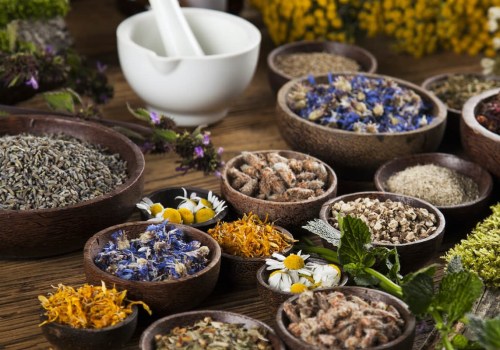
Herbal remedies come in a variety of forms, each offering unique benefits and methods of application.Understanding these different types can help individuals choose the most suitable option for their health needs.
- Teas: Herbal teas are one of the most popular forms of herbal remedies. They are made by steeping dried herbs, flowers, or leaves in hot water. This method extracts the beneficial compounds from the plant material, making it easy to consume. Common examples include chamomile tea for relaxation and peppermint tea for digestive support.
- Tinctures: Tinctures are concentrated liquid extracts made by soaking herbs in alcohol or vinegar.
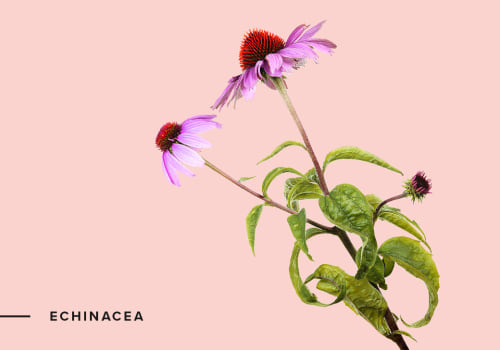
This process captures the active ingredients of the herbs, resulting in a potent remedy that can be taken in small doses. For instance, echinacea tincture is often used to boost the immune system.
- Capsules and Tablets: Many herbal remedies are available in capsule or tablet form, providing a convenient way to consume herbs without the need for preparation. These forms are particularly useful for those who may not enjoy the taste of certain herbs. Popular options include turmeric capsules for inflammation and ginseng tablets for energy enhancement.
- Topical Applications: Some herbal remedies are designed for external use, such as creams, salves, and oils.
These products can be applied directly to the skin to address issues like inflammation, pain, or skin conditions. For example, calendula cream is often used to soothe minor burns and cuts.
- Essential Oils: Extracted from various parts of plants, essential oils are highly concentrated and used in aromatherapy or diluted for topical application. Lavender oil is renowned for its calming effects, while tea tree oil is celebrated for its antibacterial properties.
- Turmeric: Known for its anti-inflammatory properties, turmeric is often used in both culinary and medicinal contexts.
- Ginger: This versatile root is commonly used to alleviate nausea and improve digestion.
- Echinacea: Frequently employed to enhance immune function, especially during cold and flu season.
- Ginseng: A well-known adaptogen that helps combat stress and fatigue while boosting overall vitality.
- Peppermint: Often used to relieve headaches and digestive issues due to its soothing properties.
Health Benefits of Herbal Medicine
Herbal medicine offers a multitude of health benefits that make it an appealing alternative to conventional treatments. One of the most significant advantages is its affordability.Many herbal remedies can be sourced from local markets or grown in home gardens, making them accessible to a wider audience. This cost-effectiveness allows individuals to explore various treatment options without the financial burden often associated with prescription medications. Another compelling benefit of herbal medicine is the reduced risk of side effects. Unlike many pharmaceutical drugs, which can cause a range of adverse reactions, herbal remedies are generally well-tolerated by most individuals. This is largely due to their natural composition, which tends to work in harmony with the body’s systems rather than imposing foreign substances that may disrupt normal functions. Moreover, herbal medicine promotes a holistic approach to health.
It emphasizes treating the whole person rather than just addressing specific symptoms. This means that practitioners often consider emotional, mental, and physical health when recommending herbal remedies. For instance, herbs like chamomile and lavender not only help with sleep disorders but also promote relaxation and reduce anxiety, showcasing the interconnectedness of mind and body. The use of herbal medicine can also enhance the body’s natural healing processes. Many herbs contain antioxidants and anti-inflammatory properties that support immune function and overall wellness.
For example, turmeric, known for its active compound curcumin, has been shown to reduce inflammation and may aid in the management of chronic conditions such as arthritis. Furthermore, herbal remedies often come with a rich history of traditional use across various cultures. This historical context provides a wealth of knowledge regarding their efficacy and application, allowing individuals to benefit from centuries of wisdom in natural healing practices. In summary, the health advantages of herbal medicine are numerous and varied. From affordability and fewer side effects to holistic healing approaches and enhanced natural recovery processes, herbal remedies present a compelling case for those seeking alternative or complementary treatments for their health concerns.
Herbal Remedies for Common Ailments
Herbal remedies have been utilized for centuries to address a variety of common ailments, offering natural solutions that many people find effective. Below, we explore specific herbal treatments for colds, anxiety, and pain relief.Herbal Remedies for Colds
Colds are one of the most frequent ailments, especially during the colder months.Several herbal remedies can help alleviate symptoms and support recovery:
- Echinacea: Known for its immune-boosting properties, echinacea can help reduce the duration and severity of cold symptoms. It is often taken as a tea or in capsule form.
- Ginger: This warming herb is not only delicious but also effective in soothing sore throats and reducing inflammation. Ginger tea can be made by steeping fresh ginger slices in hot water.
- Thyme: Thyme has antimicrobial properties and can help relieve coughs. A thyme infusion can be made by steeping the leaves in hot water, providing a soothing drink.
Herbal Treatments for Anxiety
Anxiety is a common issue that affects many individuals.Herbal remedies can provide a natural approach to managing anxiety symptoms:
- Chamomile: Often consumed as a tea, chamomile is renowned for its calming effects. It can help reduce anxiety and promote better sleep.
- Lemon Balm: This herb has been shown to have mild sedative effects, making it useful for reducing stress and anxiety. It can be taken as a tea or in tincture form.
- Passionflower: Known for its ability to enhance relaxation, passionflower is often used to treat anxiety and insomnia. It can be found in teas or supplements.
Natural Solutions for Pain Relief
Pain relief is another area where herbal remedies shine.Here are some effective options:
- Turmeric: This vibrant yellow spice contains curcumin, which has potent anti-inflammatory properties. Turmeric can be consumed in food or as a supplement to help manage pain.
- Willow Bark: Often referred to as nature's aspirin, willow bark has been used for centuries to relieve pain and reduce inflammation. It is available in teas or capsules.
- Cayenne Pepper: The active compound capsaicin found in cayenne pepper can help alleviate pain by blocking pain signals. It is commonly used in topical creams.
However, it’s essential to consult with a healthcare professional before starting any new treatment regimen, especially if you are currently taking medications or have underlying health conditions.
Legal Aspects of Herbal Medicine Worldwide
The legal landscape surrounding herbal medicine varies significantly across the globe, reflecting diverse cultural attitudes, historical practices, and regulatory frameworks. Understanding these legal aspects is crucial for both consumers and practitioners of herbal remedies.United States
In the U. S., herbal remedies are classified as dietary supplements under the Dietary Supplement Health and Education Act of 1994. This means they do not require pre-market approval from the Food and Drug Administration (FDA). However, manufacturers are responsible for ensuring their products are safe and accurately labeled.
The FDA can take action against any supplement that is found to be unsafe or misleading. This regulatory framework allows for a wide variety of herbal products to be available, but it also places the onus on consumers to research and choose reputable brands.
European Union
In contrast, the European Union has a more stringent approach to herbal medicine. The Traditional Herbal Medicinal Products Directive (THMPD) requires that herbal products be registered and meet specific safety and efficacy standards before they can be marketed. This regulation aims to protect consumers by ensuring that only safe and effective herbal remedies are available.
Countries like Germany have a long-standing tradition of using herbal medicine, leading to a robust market for these products, often found in pharmacies alongside conventional medications.
Asia
In many Asian countries, such as China and India, herbal medicine is deeply integrated into traditional healthcare systems. In China, Traditional Chinese Medicine (TCM) is regulated by the government, which oversees the production and sale of herbal products. Similarly, in India, Ayurvedic medicines are regulated under the Drugs and Cosmetics Act, ensuring that they meet safety standards. These regulations help maintain the quality of herbal treatments while promoting their use in mainstream healthcare.
Legal Challenges
Despite these regulations, challenges remain.
The lack of standardization in herbal products can lead to variations in potency and quality. Additionally, some countries have strict laws against certain herbs due to safety concerns or potential interactions with conventional medications. Consumers should be aware of these legalities when purchasing herbal remedies, especially when traveling or sourcing products from international markets.
Conclusion
The legality of herbal remedies is a complex issue influenced by cultural practices and regulatory environments worldwide. As interest in natural health solutions grows, it is essential for consumers to stay informed about the legal status of herbal medicine in their respective countries to ensure safe and effective use.
Integrating Herbal Remedies into Your Health Routine
Integrating herbal remedies into your daily health routine can be a rewarding experience, enhancing your overall well-being while promoting a natural approach to health.However, it is essential to do so safely and effectively. Here are some practical tips to help you incorporate herbs into your life:
1.Start Slowly
When introducing herbal remedies, begin with one herb at a time. This allows you to monitor how your body reacts and helps identify any potential side effects or allergies. For instance, if you choose to start with ginger for digestive support, use it consistently for a week before adding another herb.2.Consult a Healthcare Professional
Before starting any herbal regimen, especially if you are pregnant, nursing, or taking prescription medications, consult with a healthcare provider knowledgeable about herbal medicine.They can provide guidance on safe dosages and potential interactions with other treatments.
3.Choose Quality Products
Not all herbal products are created equal. Look for reputable brands that offer standardized extracts and have undergone third-party testing for purity and potency. Reading labels carefully can help ensure you are using high-quality herbal remedies.4.Incorporate Herbs into Your Diet
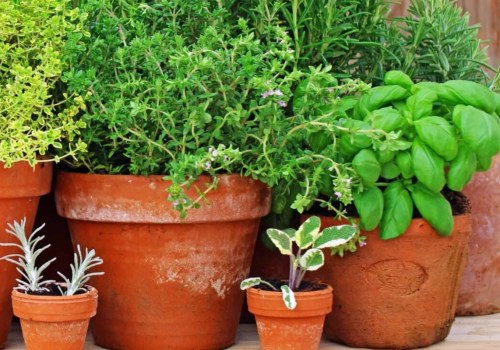
One of the easiest ways to use herbs is by incorporating them into your meals. Fresh herbs like basil, parsley, and cilantro can enhance flavor while providing health benefits.You can also add dried herbs like oregano or thyme to soups, stews, and marinades.
5.Experiment with Herbal Teas
Herbal teas are an excellent way to enjoy the benefits of herbs in a soothing format. Consider brewing teas from chamomile for relaxation or peppermint for digestive support. You can also blend different herbs to create unique flavors and benefits.6.Keep a Journal
Documenting your experiences with herbal remedies can be beneficial. Note the herbs you use, the dosages, and any effects you observe—positive or negative.This practice will help you refine your approach over time and make informed decisions about which remedies work best for you.
7.Be Mindful of Dosage
The effectiveness of herbal remedies often depends on proper dosage. Follow recommended guidelines on product labels or consult with a professional for personalized advice. Remember that more is not always better; excessive use of certain herbs can lead to adverse effects.8.Stay Informed
The field of herbal medicine is continually evolving, with new research emerging regularly. Stay updated on the latest findings regarding the efficacy and safety of various herbs by reading reputable sources or joining local herbalist groups. By following these tips, you can safely integrate herbal remedies into your health routine, allowing you to harness their full potential while promoting a balanced lifestyle.Frequently Asked Questions about Herbal Medicine
Herbal medicine has gained significant attention in recent years, leading to a surge in interest and inquiries about its efficacy, safety, and application.Below are some of the most frequently asked questions regarding herbal remedies, along with clarifications to dispel common misconceptions.
What are herbal remedies?
Herbal remedies refer to products derived from plants that are used for therapeutic purposes. These can include leaves, roots, flowers, and seeds, which may be consumed in various forms such as teas, capsules, tinctures, or topical applications. The goal of these remedies is to promote health and well-being by harnessing the natural properties of plants.Are herbal remedies safe?
While many people find herbal remedies to be safe and effective, it is crucial to approach them with caution. Not all herbs are suitable for everyone, and some can interact negatively with prescription medications or cause side effects.It is advisable to consult with a healthcare professional before starting any new herbal treatment, especially if you have pre-existing health conditions or are pregnant.
Can herbal medicine replace conventional medicine?
Herbal medicine should not be viewed as a direct replacement for conventional treatments. Instead, it can serve as a complementary approach. Many individuals find that combining herbal remedies with traditional medical care enhances their overall health outcomes. However, it is essential to discuss this integration with a healthcare provider to ensure safety and efficacy.What are some common misconceptions about herbal medicine?
- All herbs are safe: This is a common myth.
Some herbs can be toxic or cause adverse reactions.
- Herbal remedies work instantly: Unlike some pharmaceuticals that provide quick relief, many herbal treatments require time to build up in the system and may take longer to show effects.
- Natural means safe: Just because something is natural does not mean it is safe. Many natural substances can be harmful if misused.
Conclusion: Embracing the Power of Herbal Medicine
As we conclude our exploration of herbal remedies, it is essential to reflect on the myriad benefits they offer and the role they can play in a holistic approach to health. Throughout this guide, we have delved into the rich history and diverse applications of herbal medicine, highlighting its potential to address a wide range of health concerns. One of the most compelling aspects of herbal medicine is its accessibility.Unlike many conventional treatments that may require prescriptions or specialized healthcare providers, herbal remedies can often be found in local markets, health food stores, or even grown in home gardens. This ease of access empowers individuals to take charge of their health and explore natural alternatives. Moreover, the affordability of herbal remedies makes them an attractive option for many. With rising healthcare costs, turning to nature for healing can provide a cost-effective solution without compromising on quality. Many herbs are not only economical but also versatile, serving multiple purposes from culinary uses to medicinal applications. Another significant advantage is the lower incidence of side effects associated with many herbal treatments compared to synthetic drugs.
While it is crucial to approach herbal medicine with caution and awareness, the natural compounds found in plants often work synergistically with the body’s systems, promoting healing without the harsh repercussions that can accompany pharmaceutical interventions. Incorporating herbal remedies into one’s health regimen encourages a more balanced lifestyle. It fosters a deeper connection with nature and an understanding of how various plants can support well-being. This holistic perspective not only addresses physical ailments but also nurtures mental and emotional health. As we embrace the power of herbal medicine, it is vital to remain informed and cautious. Consulting with healthcare professionals knowledgeable in both conventional and alternative therapies can help ensure safe and effective use.
By doing so, individuals can harness the full potential of herbal remedies, integrating them into their lives as part of a comprehensive approach to health. In summary, the journey into the world of herbal medicine reveals a treasure trove of benefits waiting to be explored. By considering these natural alternatives, we open ourselves up to a wealth of healing possibilities that honor both our bodies and the environment.