The Benefits of Traditional Medicine: A Comprehensive Guide to Herbal Remedies
Explore the comprehensive benefits of traditional medicine and herbal remedies for holistic health and wellness. Discover natural solutions today.
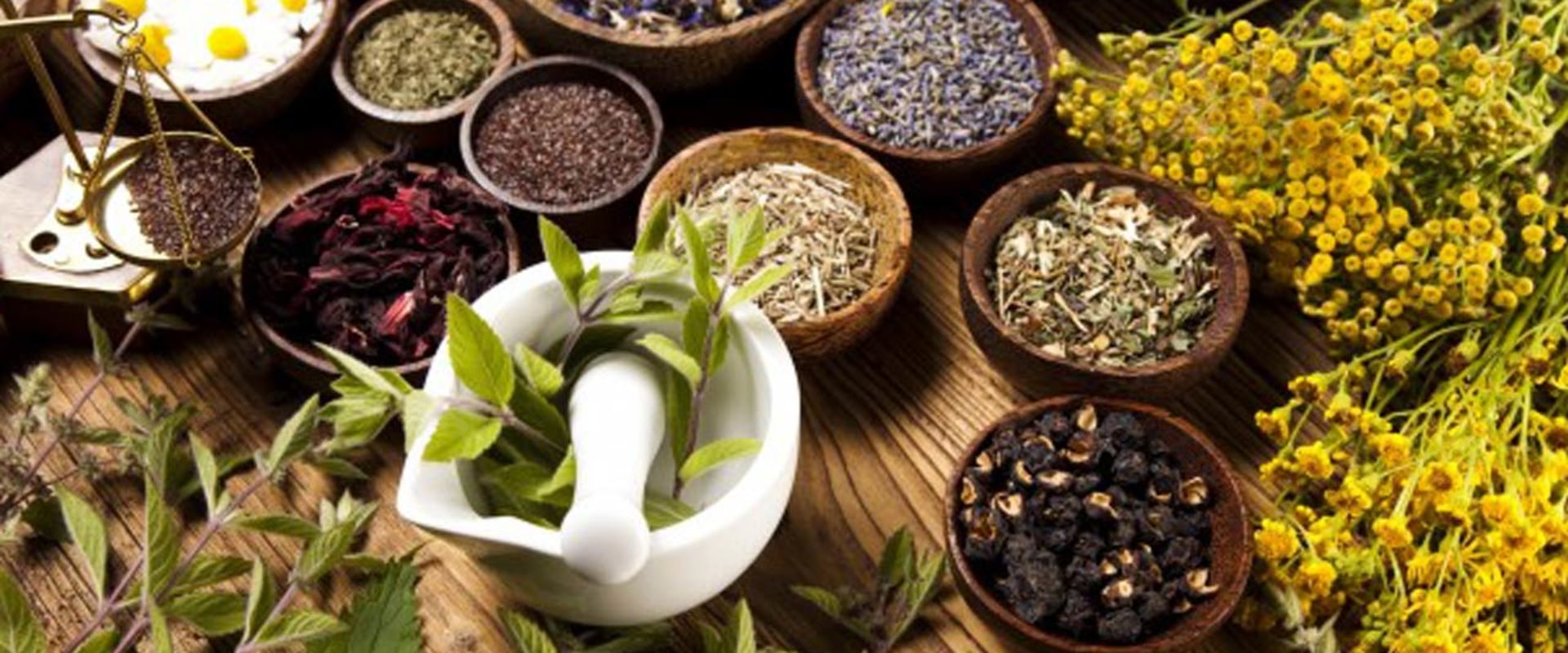
Traditional medicine encompasses a vast array of health practices that have been passed down through generations, deeply rooted in the cultural and historical contexts of various societies. This form of medicine is not merely a collection of remedies; it represents a holistic approach to health that considers the physical, emotional, and spiritual well-being of individuals. By integrating these aspects, traditional medicine aims to restore balance and harmony within the body, which is essential for achieving optimal health. One of the most significant components of traditional medicine is herbal remedies. These natural treatments utilize plants and their extracts to address a wide range of ailments, from minor discomforts to chronic conditions.
The knowledge surrounding these remedies has been cultivated over centuries, often through trial and error, and is now supported by modern scientific research that validates many traditional practices. This synergy between ancient wisdom and contemporary science enhances the credibility of herbal remedies as effective alternatives or complements to conventional medicine. Moreover, the appeal of traditional medicine lies in its accessibility and affordability. In many parts of the world, especially in rural areas where modern healthcare facilities may be scarce, traditional practices provide essential health services. Patients often find comfort in familiar treatments that resonate with their cultural beliefs and values.
As a result, traditional medicine not only serves as a primary healthcare option for millions but also fosters a sense of community and shared knowledge among practitioners and patients alike. As we delve deeper into the benefits of traditional medicine, it becomes clear that its holistic approach offers valuable insights into health management. By exploring herbal remedies and their applications, we can uncover how these time-honored practices contribute to overall wellness and empower individuals to take charge of their health in a meaningful way.
The Role of Herbal Remedies in Traditional Medicine
Herbal remedies have long been a cornerstone of traditional medicine, serving as a vital link between nature and health. These natural treatments are derived from various parts of plants, including leaves, roots, flowers, and seeds, and are utilized in diverse ways across different cultures. The integration of herbal remedies into traditional healing practices is not merely a matter of preference; it is deeply rooted in centuries of empirical knowledge and cultural significance. One of the primary benefits of herbal medicine is its holistic approach to health.Unlike conventional pharmaceuticals that often target specific symptoms, herbal remedies aim to treat the whole person. This means considering not just the physical symptoms but also the emotional and spiritual well-being of the individual. For instance, in many indigenous cultures, herbs are used not only for their medicinal properties but also in rituals that promote mental and spiritual health. Moreover, herbal remedies are often more accessible and affordable than modern medications, particularly in low-income regions where healthcare resources may be limited. This accessibility allows individuals to take charge of their health by utilizing locally available plants.
For example, turmeric is widely used in South Asia for its anti-inflammatory properties, while ginger is commonly employed for digestive issues across various cultures. The effectiveness of herbal medicine has been supported by numerous studies that highlight its potential in treating various ailments. For instance:
- Echinacea is frequently used to boost the immune system and reduce the duration of colds.
- Ginseng is known for its ability to enhance energy levels and improve cognitive function.
- St. John’s Wort has been recognized for its antidepressant effects.
This transmission of knowledge not only preserves cultural heritage but also strengthens community bonds. In conclusion, the role of herbal remedies in traditional medicine is multifaceted, encompassing physical healing, emotional support, cultural significance, and community engagement. As interest in natural health solutions continues to grow globally, recognizing the value of these time-honored practices can lead to a more integrated approach to health care that honors both tradition and innovation.
Benefits of Herbal Remedies
Herbal remedies have been utilized for centuries across various cultures, offering a wealth of health benefits that contribute to both physical and mental well-being. These natural treatments are derived from plants and have been shown to play a significant role in disease prevention, management of ailments, and overall wellness. One of the primary advantages of herbal medicine is its ability to support the body’s natural healing processes. Many herbs contain bioactive compounds that can enhance immune function, reduce inflammation, and promote cellular repair.For instance, echinacea is widely recognized for its immune-boosting properties, helping to ward off colds and infections. In addition to immune support, herbal remedies can be effective in managing chronic conditions. For example, ginger is often used to alleviate nausea and digestive issues, while turmeric, with its active compound curcumin, has been studied for its anti-inflammatory effects that may benefit those suffering from arthritis or other inflammatory diseases. Moreover, herbal remedies can also play a crucial role in mental health. Herbs such as ashwagandha and lavender are known for their adaptogenic properties, helping the body adapt to stress and promoting relaxation. This can lead to improved mood and reduced anxiety levels, making herbal treatments a valuable addition to mental health care. The accessibility and affordability of herbal remedies make them an attractive option for many individuals seeking alternative or complementary therapies.
Unlike some pharmaceutical drugs that may come with a host of side effects, many herbal treatments are generally well-tolerated when used appropriately. Furthermore, the use of herbal remedies encourages a holistic approach to health care. By focusing on natural ingredients and the body’s inherent ability to heal itself, individuals can foster a deeper connection with their health and well-being. This approach not only addresses symptoms but also promotes lifestyle changes that contribute to long-term health. In conclusion, the benefits of herbal remedies are vast and varied. From enhancing immune function to supporting mental health and providing affordable treatment options, these natural solutions offer a compelling case for their inclusion in modern health care practices.
As more people seek out natural alternatives, the role of herbal medicine in promoting wellness will continue to grow.
Common Herbal Remedies and Their Uses
Herbal remedies have been utilized for centuries across various cultures, offering a natural approach to health and wellness. Below is an overview of some of the most popular herbal remedies, their specific applications, and the conditions they are known to treat.- Chamomile : Often consumed as a tea, chamomile is renowned for its calming effects. It is commonly used to alleviate anxiety, promote sleep, and soothe digestive issues such as bloating and indigestion.
- Ginger : This versatile root is not only a culinary favorite but also a powerful medicinal herb. Ginger is widely recognized for its anti-inflammatory properties and is often used to relieve nausea, particularly in pregnancy or post-surgery.
It can also aid in digestion and reduce muscle pain.
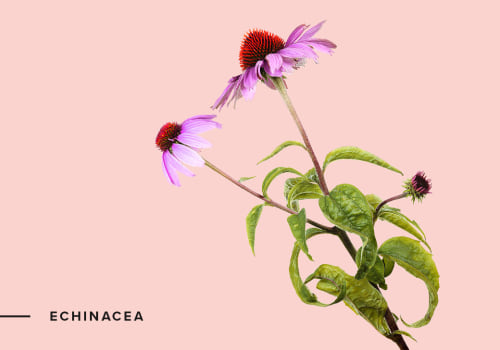
- Echinacea : Known for its immune-boosting properties, echinacea is frequently used to prevent or shorten the duration of colds and flu. It may also help reduce inflammation and improve skin health when applied topically.
- Turmeric : This vibrant yellow spice contains curcumin, a compound with potent anti-inflammatory and antioxidant properties. Turmeric is often used to manage conditions like arthritis, improve liver function, and support overall joint health.
- Lavender : Renowned for its soothing aroma, lavender is commonly used in aromatherapy to reduce stress and anxiety. It can also be applied topically to alleviate minor burns or insect bites due to its antiseptic properties.
- Peppermint : This refreshing herb is often used to relieve headaches and digestive issues.
Peppermint oil can be applied topically for tension headaches or consumed as tea to soothe stomach discomfort.
- Garlic : Known for its cardiovascular benefits, garlic can help lower blood pressure and cholesterol levels. It also possesses antimicrobial properties that may aid in fighting infections.
Scientific Research on Herbal Remedies
Scientific research on herbal remedies has gained significant traction in recent years, as more researchers and healthcare professionals recognize the potential benefits of these natural treatments.Numerous studies have been conducted to evaluate the efficacy and safety of various herbs, leading to a growing body of evidence that supports their use in traditional and modern medicine. One of the most notable areas of research focuses on the active compounds found in herbal remedies. For instance, Curcumin, the active ingredient in turmeric, has been extensively studied for its anti-inflammatory and antioxidant properties. Research published in reputable journals has shown that curcumin can help manage conditions such as arthritis and may even play a role in cancer prevention. Another example is Ginger, which has been shown to be effective in alleviating nausea and vomiting, particularly in pregnant women and patients undergoing chemotherapy. A systematic review published in the journal Nutrition Journal highlighted ginger's efficacy compared to placebo, reinforcing its status as a reliable herbal remedy. Moreover, studies on Echinacea have demonstrated its potential to reduce the duration and severity of colds.
A meta-analysis published in the journal Cochrane Database of Systematic Reviews concluded that Echinacea could decrease the risk of developing respiratory infections when taken at the onset of symptoms. Safety is another critical aspect of research on herbal remedies. While many herbs are generally considered safe, some can interact with conventional medications or cause adverse effects. For example, St. John's Wort, commonly used for depression, has been shown to interact with various pharmaceuticals, including antidepressants and birth control pills.
This highlights the importance of conducting thorough research to ensure that herbal remedies are used safely and effectively. In addition to individual studies, there is a growing trend towards integrating herbal medicine into clinical practice. Institutions are beginning to recognize the value of combining traditional knowledge with scientific inquiry. This integration not only validates the use of herbal remedies but also encourages further research into their mechanisms of action and potential applications. In conclusion, scientific research on herbal remedies is essential for understanding their efficacy and safety. As more studies emerge, they provide valuable insights that can enhance patient care and promote a more holistic approach to health.
The ongoing exploration of these natural treatments underscores their relevance in both traditional and modern medical practices.
Integrating Herbal Remedies with Conventional Medicine
In recent years, there has been a growing recognition of the potential benefits of integrating herbal remedies with conventional medicine. This integrative health approach not only enhances treatment efficacy but also addresses the holistic needs of patients. By combining the strengths of both systems, healthcare providers can offer more comprehensive care that respects individual preferences and cultural practices. Herbal remedies, derived from plants and used for centuries in various cultures, can complement conventional treatments in several ways:- Symptom Relief: Many patients turn to herbal remedies to alleviate symptoms that may not be fully addressed by conventional medications. For instance, ginger is often used to combat nausea, while chamomile can help with anxiety and sleep disturbances.
- Enhanced Recovery: Certain herbs, such as echinacea and elderberry, are believed to boost the immune system, potentially aiding recovery from illnesses and reducing the duration of symptoms.
- Minimized Side Effects: Some herbal treatments may help mitigate the side effects associated with conventional drugs.
For example, milk thistle is known for its liver-protective properties and may support patients undergoing chemotherapy.
For instance, a practitioner familiar with both systems can suggest appropriate herbal options that align with a patient’s specific health conditions and treatment goals. In conclusion, integrating herbal remedies with conventional medicine offers a promising pathway toward more personalized healthcare. By fostering collaboration between patients and providers, we can create a more holistic approach that respects individual choices while ensuring safety and efficacy in treatment.
Safety and Considerations When Using Herbal Remedies
While herbal remedies offer numerous health benefits, it is crucial to approach their use with caution. Understanding the potential risks and side effects associated with these natural treatments can help ensure safe and effective use.Safety of Herbal Remedies
Herbal remedies are often perceived as safe alternatives to conventional medications; however, this is not always the case. Many herbs can interact with prescription medications, leading to adverse effects or reduced efficacy of the drugs.
For instance, St. John's Wort, commonly used for depression, can interfere with the effectiveness of birth control pills and other medications.
Side Effects of Herbs
Just like pharmaceutical drugs, herbal remedies can cause side effects. Some common side effects include:
- Nausea
- Dizziness
- Allergic reactions
- Gastrointestinal disturbances
- Fatigue
Precautions with Herbal Medicine
To minimize risks when using herbal remedies, consider the following precautions:
- Consult a Healthcare Professional: Always discuss with a healthcare provider before starting any herbal treatment, especially if you are pregnant, nursing, or have pre-existing health conditions.
- Research Quality and Source: Ensure that you obtain herbs from reputable sources.
Quality can vary widely among products, and contaminants may pose additional health risks.
- Start with Small Doses: Begin with lower doses to assess your body's response before gradually increasing to the recommended amount.
- Avoid Mixing Remedies: Be cautious about combining multiple herbal remedies or using them alongside conventional medications without professional guidance.
- Monitor for Reactions: Keep track of any changes in your health after starting an herbal remedy and report any adverse effects to your healthcare provider immediately.
Cultural Perspectives on Herbal Remedies
Herbal remedies have been integral to traditional medicine systems across various cultures, each with its unique perspectives and practices. Understanding these cultural views not only enriches our appreciation of herbal medicine but also highlights the diversity of healing practices worldwide.In Asia
, particularly in countries like China and India, herbal remedies are deeply embedded in the fabric of traditional healing. Traditional Chinese Medicine (TCM) utilizes a holistic approach, where herbs are often combined with acupuncture and dietary therapy to restore balance within the body.
Similarly, Ayurveda, the ancient Indian system of medicine, emphasizes the use of herbs tailored to individual constitutions (doshas) to promote health and prevent disease. Both systems view health as a state of harmony between body, mind, and spirit.
African traditional medicine
also showcases a rich tapestry of herbal practices. In many African cultures, healers known as herbalists or traditional healers utilize local plants to treat ailments, often incorporating spiritual elements into their healing rituals. For instance, the use of moringa leaves for nutritional supplementation and the bark of the willow tree for pain relief are common practices.
The community's trust in these healers is paramount, as they often serve as both medical practitioners and spiritual guides.
In South America
, indigenous cultures have long relied on herbal remedies derived from the Amazon rainforest. Plants like ayahuasca, used in ceremonial contexts, are believed to facilitate spiritual healing and personal insight. The knowledge of these plants is often passed down through generations, emphasizing a deep connection to nature and ancestral wisdom.
Western perspectives
on herbal remedies have evolved significantly over time. While historically marginalized by conventional medicine, there has been a resurgence of interest in herbalism in recent decades.
Many people now seek out herbal supplements for their perceived benefits, often blending traditional knowledge with modern scientific research. This global tapestry of cultural perspectives on herbal remedies illustrates that while practices may differ, the underlying belief in nature's healing power remains a common thread. As we continue to explore these diverse traditions, it becomes increasingly clear that herbal remedies offer not just physical healing but also cultural identity and community connection.
Future Trends in Traditional Medicine and Herbal Remedies
As we look to the future, the landscape of traditional medicine and herbal remedies is poised for significant transformation. The increasing integration of these practices into mainstream healthcare reflects a growing recognition of their value. This evolution is driven by several key trends that are reshaping how we perceive and utilize traditional healing methods.1.Scientific Validation and Research
One of the most promising trends is the emphasis on scientific research to validate the efficacy of herbal remedies.
As more studies emerge demonstrating the benefits of specific plants and traditional practices, healthcare professionals are beginning to incorporate these findings into their treatment protocols. This shift not only enhances the credibility of traditional medicine but also encourages collaboration between herbalists and modern medical practitioners.
2.Personalized Medicine
The future of healthcare is increasingly leaning towards personalized medicine, where treatments are tailored to individual patients. Traditional medicine, with its holistic approach, aligns well with this trend. Practitioners often consider a patient’s unique constitution, lifestyle, and emotional well-being when recommending herbal remedies.
This personalized approach can lead to more effective treatment outcomes.
3.Globalization and Cultural Exchange
The globalization of health practices has facilitated a greater exchange of knowledge regarding traditional healing methods. As cultures interact, there is a growing interest in diverse herbal remedies from around the world. This cross-pollination not only enriches our understanding but also expands the options available for patients seeking alternative therapies.
4.Sustainability and Eco-Consciousness
With an increasing focus on sustainability, many consumers are turning to herbal remedies as eco-friendly alternatives to synthetic medications. The demand for sustainably sourced herbs is rising, prompting producers to adopt environmentally responsible practices.
This trend not only benefits the planet but also ensures that traditional medicine remains viable for future generations.
5.Integration into Conventional Healthcare Systems
Finally, there is a growing movement towards integrating traditional medicine into conventional healthcare systems. Many countries are recognizing the importance of a dual approach that combines the strengths of both modern and traditional practices. This integration can lead to more comprehensive care options for patients, allowing them to benefit from the best of both worlds.
In conclusion, the future of traditional medicine and herbal remedies looks promising as emerging trends continue to shape their role in modern healthcare. By embracing scientific validation, personalized approaches, cultural exchange, sustainability, and integration into conventional systems, we can ensure that these time-honored practices remain relevant and effective in addressing contemporary health challenges.
Conclusion: Embracing the Benefits of Traditional Medicine through Herbal Remedies
In conclusion, the integration of traditional medicine and herbal remedies into modern health practices offers a wealth of benefits that cannot be overlooked.As we have explored throughout this guide, traditional medicine is not merely a relic of the past; it is a dynamic and evolving field that complements contemporary medical approaches. The holistic nature of traditional medicine emphasizes the importance of treating the whole person—body, mind, and spirit—rather than just addressing isolated symptoms. One of the most significant advantages of herbal remedies is their accessibility and affordability. Many communities around the world rely on these natural treatments due to their availability and lower cost compared to conventional pharmaceuticals. This is particularly crucial in low-income regions where access to modern healthcare can be limited.
By embracing herbal remedies, individuals can take charge of their health in a way that is both sustainable and culturally relevant. Moreover, the growing body of scientific research supporting the efficacy of various herbal treatments underscores their potential as viable alternatives or complements to conventional medicine. As more studies validate the benefits of specific herbs, healthcare providers are increasingly recognizing the importance of incorporating these natural solutions into treatment plans. Additionally, the use of herbal remedies fosters a deeper connection to cultural heritage and traditional practices. Many people find comfort in using remedies that have been passed down through generations, creating a sense of identity and continuity. This cultural significance can enhance patient engagement and adherence to treatment protocols. As we move forward, it is essential for healthcare systems to acknowledge and support the role of traditional medicine and herbal remedies.
This includes promoting research initiatives, providing education for healthcare professionals, and ensuring that patients have access to safe and effective herbal products. By doing so, we can create a more inclusive healthcare landscape that respects diverse healing traditions while also prioritizing patient safety and well-being. In summary, embracing the benefits of traditional medicine through herbal remedies not only enriches our understanding of health but also empowers individuals to make informed choices about their care. As we continue to explore the intersection of tradition and modernity in healthcare, let us remain open to the wisdom that these time-honored practices offer.